
Fencing FAQ for Virginia Homeowners, Farmers, and Commercial Operators
Whether you have fence installation questions about materials, timelines, or what to expect on a large commercial or agricultural project, this page covers the topics that matter most to property owners and operators across Southwest Virginia. Childress Fencing, LLC works with commercial facilities, farms, and residential properties throughout Christiansburg, Blacksburg, Radford, and the broader Montgomery County region, so the answers here are grounded in the real conditions and common fencing problems we see across this part of the state.
Southwest Virginia Fencing Experts
Your Fence Questions, Answered Straight
What types of fencing does Childress Fencing install for commercial properties?
For commercial and industrial sites, Childress Fencing installs chain link, steel, aluminum, board fencing, guardrail, Trex, and vinyl. The right material depends on the security level required, the site's exposure to weather, and long-term maintenance expectations. Chain link and steel are common choices for high-security perimeters, while Trex and vinyl offer durable, low-maintenance options for commercial property boundaries where appearance also matters. Every commercial project is overseen directly by owner Ben White, so there is consistent accountability from the first site visit through final installation.What fencing materials work best for livestock containment on Virginia farms?
For livestock fence installation, Childress Fencing works with woven wire, high-tensile wire, barbed wire, and wood or board fencing. The best choice depends on the type of animal, the size of the operation, and the terrain. High-tensile wire is a strong, cost-effective option for large pastures, while woven wire provides more complete containment for smaller or more agile animals. Wood and board fencing remains a practical and durable choice for many Virginia farm operations. These systems are designed specifically for the containment and animal management safety requirements of professional agricultural operators.Does Childress Fencing handle emergency fence repairs, and how quickly can they respond?
Yes, emergency fence repairs are a dedicated service. Whether a commercial perimeter has been breached, a storm has damaged a livestock containment fence, or an aging fence has failed at a critical point, Childress Fencing prioritizes restoring security and function as quickly as possible. The company serves communities across Southwest Virginia including Christiansburg, Radford, Pulaski, Dublin, and surrounding areas, which means response times are practical for regional clients. Because owner Ben White is directly involved in all operations, there is no delay waiting for a manager to approve the work scope.What is involved in temporary fencing, and what projects is it used for?
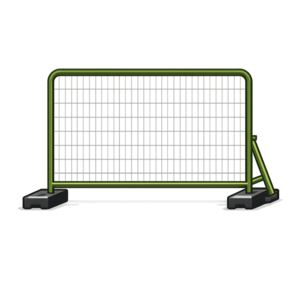
Childress Fencing manages the full lifecycle of temporary fencing: delivery, installation, ongoing maintenance during the project period, and removal when the job is done. Temporary fencing is used for construction site security, short-term access control, event perimeter management, and renovation protection. It is a practical solution for contractors and project managers in Blacksburg, Salem, Wytheville, and other Southwest Virginia communities who need reliable site protection without a permanent installation. The service is available for both short-duration events and extended construction or renovation timelines.Can Childress Fencing install automatic gate openers on existing fence lines?
Automatic gate opener installation is available for commercial, agricultural, and residential fence lines, including existing systems. Gate operators improve access control and reduce the time and labor involved in managing entry points on farms, industrial facilities, and large properties. Childress Fencing installs gate operators across all ten of its Southwest Virginia service areas, from Christiansburg and Blacksburg to Floyd, Riner, and Wytheville. The right operator type depends on gate weight, frequency of use, and whether the site requires commercial-grade or agricultural-grade hardware.What livestock handling equipment does Childress Fencing supply and install?
Beyond fencing, Childress Fencing supplies and installs livestock handling equipment from Real Tuff, including portable chutes and cattle handling facilities, as well as Herd-Boss feeders and products from Best Livestock Equipment. These systems are built for safety and efficiency in animal management, reducing the labor and risk involved in routine cattle handling. Real Tuff portable equipment is especially useful for operations that need flexible, reconfigurable setups across multiple areas of a farm. This equipment is a separate service from livestock fence installation and is available to agricultural operators throughout Southwest Virginia.What privacy fencing options are available, and what materials are used?
Privacy fence installation is a standalone service at Childress Fencing, using materials that include DSI Designer Vinyl, aluminum, Trex, and wood board fencing. DSI Designer Vinyl and Trex are particularly valued for their durability and low fence maintenance requirements over time, making them a sound long-term investment for both residential and commercial properties. Aluminum offers a clean, professional look for commercial privacy applications. Wood board fencing remains a classic option with strong visual appeal. Material selection typically comes down to the level of privacy needed, the property's aesthetic goals, and the expected maintenance commitment.Does Childress Fencing serve areas outside of Christiansburg, and how far does the service area extend?
Childress Fencing operates across ten verified communities in Southwest Virginia: Christiansburg, Blacksburg, Riner, Radford, Floyd, Salem, Pulaski, Dublin, Wytheville, and broader Montgomery County. This regional footprint means the company can serve a wide range of commercial, agricultural, and residential clients without the delays that come with contractors traveling from outside the area. The local team has direct familiarity with the terrain, environmental conditions, and regulatory considerations specific to this part of Virginia, which is particularly relevant for large agricultural and industrial projects.
Still have questions? We're here to help — contact us today or give us a call!